Car warning lights are designed to alert drivers about potential issues with their vehicle. One of the most important is the ABS (Anti-lock Braking System) warning light.
In this guide, we’ll explain what ABS does, how to use it in emergencies, what causes the ABS warning light to turn on, and what steps you should take if it stays illuminated.
What Is ABS?
The Anti-lock Braking System (ABS) is a safety feature found in most modern vehicles. It prevents the wheels from locking up during sudden or hard braking, helping you maintain steering control—especially on slippery roads.
How to Use ABS in an Emergency Stop
ABS activates automatically when you brake hard. If you’ve ever felt a judder or vibration in the brake pedal, that’s the system at work. Here’s how to use it correctly:
- Apply firm, steady pressure – Press the brake pedal firmly and keep it pressed. Don’t pump the brakes.
- Steer around obstacles – ABS allows you to steer while braking, so you can avoid hazards safely.
- Don’t panic at vibrations – A vibrating pedal or unusual noise means ABS is engaged. Keep braking firmly.
What Causes the ABS Warning Light to Turn On?
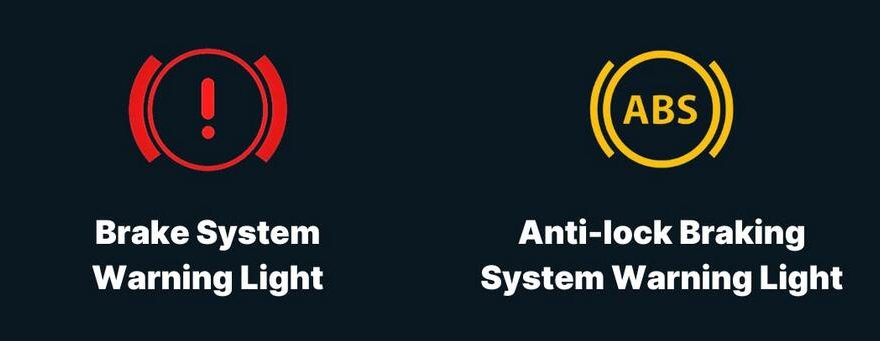
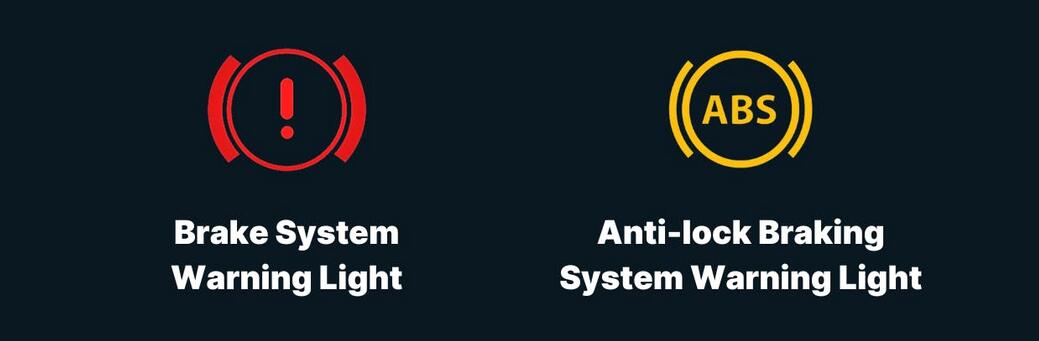
The ABS warning light usually appears as the letters “ABS” inside a circle on your dashboard. When working properly, it lights up briefly during startup as part of a self-check, then turns off.
If it stays on, common causes include:
- Faulty wheel speed sensor – A damaged or dirty sensor can’t send accurate speed data.
- Low brake fluid level – Insufficient fluid affects braking performance and triggers the light.
- Blown ABS fuse – If the fuse fails, the ABS system shuts down.
Is It Safe to Drive with the ABS Light On?
- If only the ABS light is on: Your car’s normal brakes still work, but ABS won’t engage. This means the wheels could lock during hard braking, reducing steering control.
- If both ABS and brake warning lights are on: This signals a serious brake fault. Do not drive—stop safely and seek help immediately.
What to Do If the ABS Light Stays On
Before visiting a mechanic, you can try a few checks yourself:
- Check brake fluid – Top up if levels are low.
- Restart the car – Sometimes a reset clears temporary faults.
- Inspect the ABS fuse – Replace it if blown.
- Disconnect and reconnect the battery – This may reset the system, but only temporarily if a real issue exists.
If the light remains on, have your vehicle inspected by a professional mechanic.
Key Takeaway
The ABS is a vital safety system that helps you maintain control in emergency braking. While you might still be able to drive with the ABS light on, it’s always best to have your car checked promptly to ensure your brakes remain fully functional and safe.