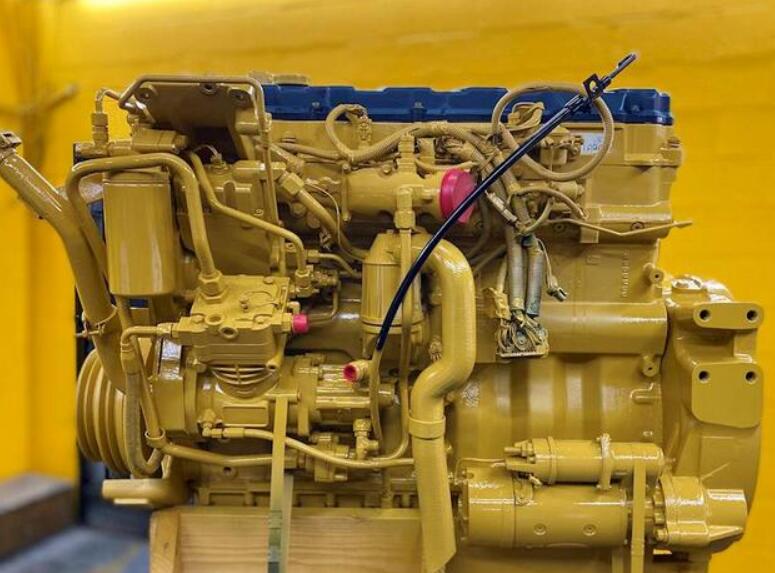
This guide explains how to use CAT ET 2025A diagnostic software to perform the Fuel Rail Pump Solenoid Test on Caterpillar machines. This test helps verify the operation of the fuel rail pump solenoid and detect possible circuit issues.
Purpose of the Test
The Fuel Rail Pump Solenoid Test determines whether an open circuit or short circuit exists in the fuel rail pump solenoid circuit.
Note: This test must be conducted with the engine speed at 0 RPM.
Applicable Example: Caterpillar C9 Engine
Related Tools & Resources
Accessing the Test
- Open CAT ET 2025A.
- From the main menu, select Diagnostics → Diagnostic Tests.
- Choose Fuel Rail Solenoid Test from the submenu.
- The Fuel Rail Solenoid Test screen will appear.
Screen Layout Overview
The Fuel Rail Solenoid Test screen consists of the following sections:
1. Tree Area
- Displays available ECMs and the selected diagnostic test.
- If multiple diagnostic tests are available, the currently selected test is highlighted.
2. Display Area
The display area shows three columns:
- Description: Lists the available fuel rail pump solenoid numbers.
- Mode: Indicates whether each solenoid is currently Powered or Cutout.
- Test Result: Displays results after the test, including:
- OK
- Not OK (Short)
- Not OK (Open)
3. Buttons and Controls
- Change: Toggles the state of a selected solenoid. This allows you to troubleshoot by cutting out and repowering an individual solenoid.
- Power All: Sets all solenoids back to the powered (active) state.
- Cutout All: Changes all solenoids to the Cutout state.
- Start: Begins the test. Once started, this button is disabled until the test is stopped.
- Stop: Stops the test. Once clicked, it remains disabled until the test is restarted.
Summary
The Fuel Rail Pump Solenoid Test in CAT ET 2025A provides an efficient way to verify solenoid operation and detect wiring faults in Caterpillar engine fuel systems. By interpreting the test results (OK, Not OK – Short, Not OK – Open), technicians can quickly diagnose and repair solenoid-related issues to ensure optimal fuel delivery performance.