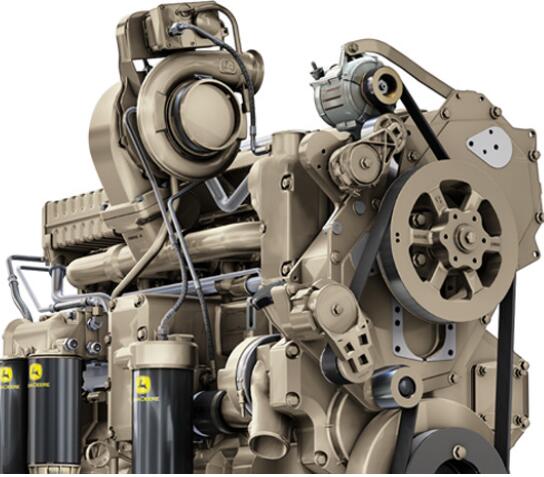
Diesel engines are renowned for exceptional durability, often lasting 400,000 to 1,000,000 miles – significantly longer than the average gasoline engine (~200,000 miles). However, this extended lifespan means they face prolonged exposure to wear, tear, and potential damage. Regular maintenance is crucial to ensure normal operation, maximum power output, and longevity. We recommend comprehensive inspections every 6 months and at least one major service annually, with timely replacement of worn parts.
Here are the 6 most common diesel engine problems:
- Engine Overheating: The most frequent issue. Causes include coolant leaks, clogged radiators, failing water pumps, or thermostat problems. Prompt attention is vital to prevent severe engine damage like warped heads or blown gaskets.
- Oil-Related Problems:
- Oil Oxidation: Occurs during prolonged inactivity, thickening the oil and forming sludge. This impairs lubrication, reduces performance, and accelerates wear.
- Oil Leaks: Caused by worn seals, gaskets, or improper fittings. Leaks reduce oil pressure and lubrication, leading to increased friction and potential engine failure.
- Fuel-Related Issues:
- Wrong Fuel: Accidentally adding gasoline to a diesel engine is catastrophic, causing immediate and severe damage to the fuel system and internal components.
- Over-Fueling: Excessive fuel delivery leads to incomplete combustion. This results in unburned fuel washing cylinder walls (increasing wear), contaminating oil, causing black smoke, and damaging components.
- Black Exhaust Smoke: A clear sign of incomplete combustion. Common causes include clogged air filters, malfunctioning fuel injectors, incorrect fuel injection timing, faulty turbochargers, or an imbalanced fuel-to-air ratio.
- Critical Component Failures:
- Glow Plug Failure: Essential for cold starts. Failure causes hard starting or prevents starting altogether in cooler temperatures.
- Turbocharger Failure: Leads to significant power loss, reduced efficiency, excessive smoke (often white or blue), and unusual whining noises. Causes include oil starvation, foreign object damage, or carbon buildup.
- Air Filter Failure: A clogged filter restricts vital airflow, causing poor combustion, power loss, increased fuel consumption, and black smoke.
- Injector Faults: Worn or dirty injectors disrupt fuel spray patterns, leading to rough idling, poor acceleration, misfires, increased emissions (black or white smoke), and reduced fuel economy.
- Performance Issues:
- Power Loss: Can stem from fuel system problems (clogged filters, failing pump, bad injectors), turbocharger failure, restricted air intake, exhaust restrictions (clogged DPF), or engine mechanical issues.
- Poor Acceleration: Often linked directly to turbocharger issues, fuel injector problems, air restrictions, or exhaust backpressure.
- Difficult Starting: Commonly caused by faulty glow plugs (cold weather), weak batteries, starter motor issues, fuel delivery problems (air in system, failing pump), or low compression.
Diesel vs. Gasoline Engines: Which is Better?
The choice depends on needs:
- Diesel Advantages: Superior fuel efficiency, greater longevity, higher torque (ideal for towing/hauling heavy loads), better long-distance cruising economy.
- Diesel Disadvantages: Higher initial purchase cost, typically higher maintenance/repair costs, louder operation, poorer cold-weather starting (without proper components), stricter emissions systems.
- Gasoline Advantages: Lower upfront cost, generally lower maintenance costs, quieter operation, better cold-weather starting performance.
- Gasoline Disadvantages: Lower fuel efficiency (especially under load), shorter average lifespan, less torque for heavy-duty tasks.
For more information about Diesel truck,please refer to: Diesel Trouble Repair.