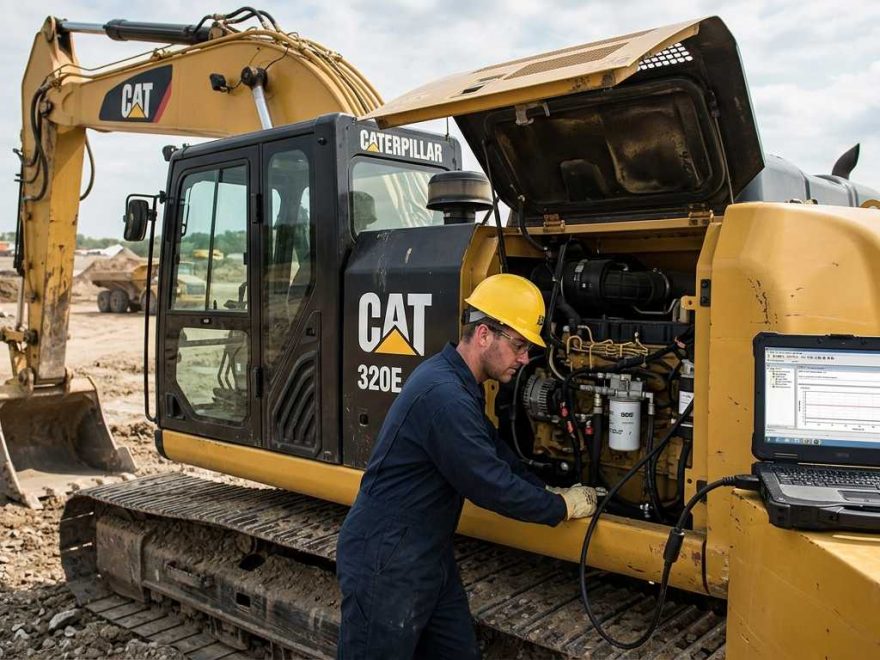
If your Caterpillar 320E Excavator (AWS Engine) is stalling at low RPM, it can lead to costly downtime and safety concerns on the job site. This guide provides a systematic, step-by-step approach to diagnosing and fixing stalling issues in the Cat 320E, ensuring your machine returns to peak performance.
Common Causes of Cat 320E Engine Stalling
Before diving into the mechanical steps, it is important to understand the most frequent culprits for low-idle stalling:
- Active Diagnostic Codes: ECM-monitored sensor or electrical faults.
- Excessive Parasitic Load: Faulty engine accessories (alternators, AC compressors) dragging down the C3.3B engine.
- Fuel System Integrity: Air ingestion, fuel waxing, or clogged primary and secondary filters.
- Mechanical Wear: Loss of cylinder compression or Electronic Unit Injector (EUI) failure.
Step-by-Step Resolution Process
1. Clear Electronic Diagnostic Codes
Modern Caterpillar excavators rely heavily on the Electronic Control Module (ECM). Your first step should always be digital.
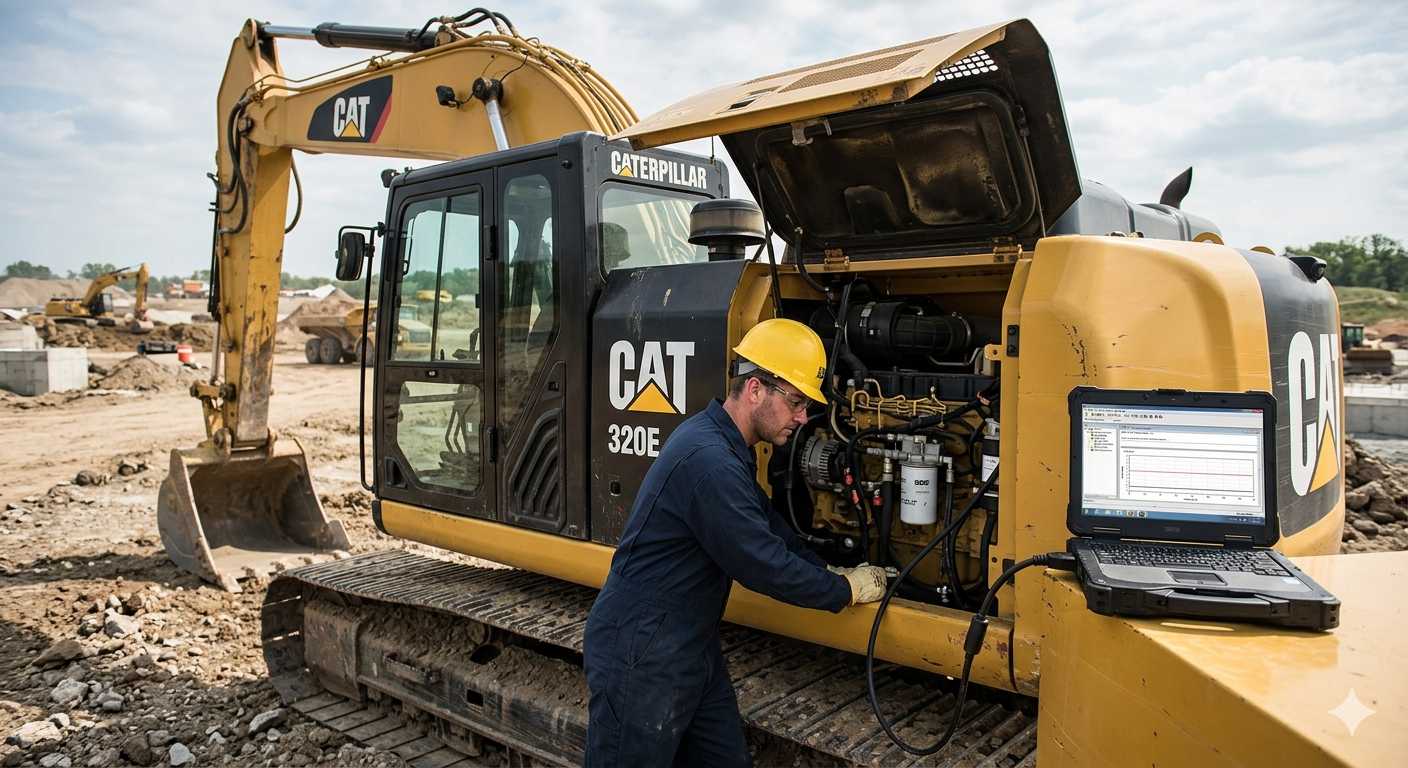
- Action: Connect a Cat Electronic Technician (Cat ET) service tool to the machine’s diagnostic port.
- Check: Look for active or logged event codes related to fuel rail pressure, timing calibration, or sensor voltage.
- Fix: You must resolve all active diagnostic codes before attempting mechanical adjustments. Common codes include E361 (Low Fuel Pressure) or E391 (Inlet Air Temperature).
2. Inspect Engine Accessories for Excessive Load
An engine stalling at low RPM is often being “dragged down” by a failing accessory that requires more torque than the engine can provide at idle.
- Action: Inspect the alternator, water pump, and air conditioning compressor.
- Check: Look for seized bearings, belt alignment issues, or mechanical resistance.
- Fix: Repair or replace any dragging accessory. If the AC compressor clutch is seized, it can stall the engine immediately upon engagement at low idle.
3. Verify Power Mode Control & Wiring
The Power Mode Control system manages the interface between engine output and hydraulic demand.
- Action: Test the system via the Cat Data Link or CAN Data Link.
- Inspection: Perform a visual and continuity check on the engine wiring harness. Look for frayed wires, “rub-through” spots, or corroded connectors.
- Fix: Repair data link faults or damaged wiring segments. Ensure the ground straps are clean and tight, as poor grounding often causes intermittent stalling.
4. Optimize the Fuel Supply System
Fuel starvation is the leading cause of stalling. Perform these checks in order:
- Tank Maintenance: Ensure the fuel cap vent is not clogged with debris, which can create a vacuum in the tank.
- Cold Weather Issues: If operating below 0°C (32°F), check for fuel waxing. Replace with winter-blend fuel or add a Cat-approved conditioner.
- Filtration: * Replace the fuel pre-filter / water separator.
- Replace the fuel fine filter (secondary filter).
- Check the in-line filter located upstream of the Electric Fuel Priming Pump (EFLP).
- System Priming: If air is suspected, use the EFLP to purge the system. Refer to the Systems Operation, Testing and Adjusting manual for the “Air in Fuel – Test.”
5. Test Cylinder Compression
If fuel and electronics are functional, the issue may be internal mechanical health.
- Action: Perform a formal compression test using the appropriate adapter in the glow plug or injector port.
- Common Causes for Low Compression:
- Worn piston rings or cylinder bore scoring.
- Cylinder head gasket failure (look for bubbles in the coolant).
- Valvetrain wear or improper valve lash settings.
- Result: If compression is below Caterpillar specifications, the engine will struggle to stay running at low combustion temperatures (idle).
6. Analyze Electronic Unit Injectors (EUI)
Faulty injectors can cause “misfires” or uneven torque at low RPM, leading to a stall.
- Action: Use the Cat ET tool to run an Automated Cylinder Cutout Test.
- Result: This test disables injectors one by one to see which cylinder is not contributing. If the engine RPM doesn’t drop when a specific cylinder is cut out, that injector or cylinder is faulty.
- Fix: Replace any injector identified as faulty. Always program the new Injector Trim Files into the ECM to ensure proper fuel delivery.
Preventative Maintenance Checklist for Cat 320E
To prevent future stalling and ensure high resale value, follow this interval-based checklist:
- Daily: Drain water from the fuel-water separator.
- Every 500 Hours: Replace primary and secondary fuel filters.
- Annually: Inspect the engine wiring harness for wear and clean all battery/ground terminals.
- As Needed: Use the Cat ET tool to check for “Logged Events” that may indicate a developing fuel pressure issue before it causes a shutdown.
FAQ
Q: Why does my Caterpillar 320E excavator stall at low RPM? A: Common causes include active diagnostic codes in the ECM, excessive parasitic load from failing accessories (like the AC compressor), fuel system issues (clogged filters or air ingestion), or internal mechanical wear such as low cylinder compression.
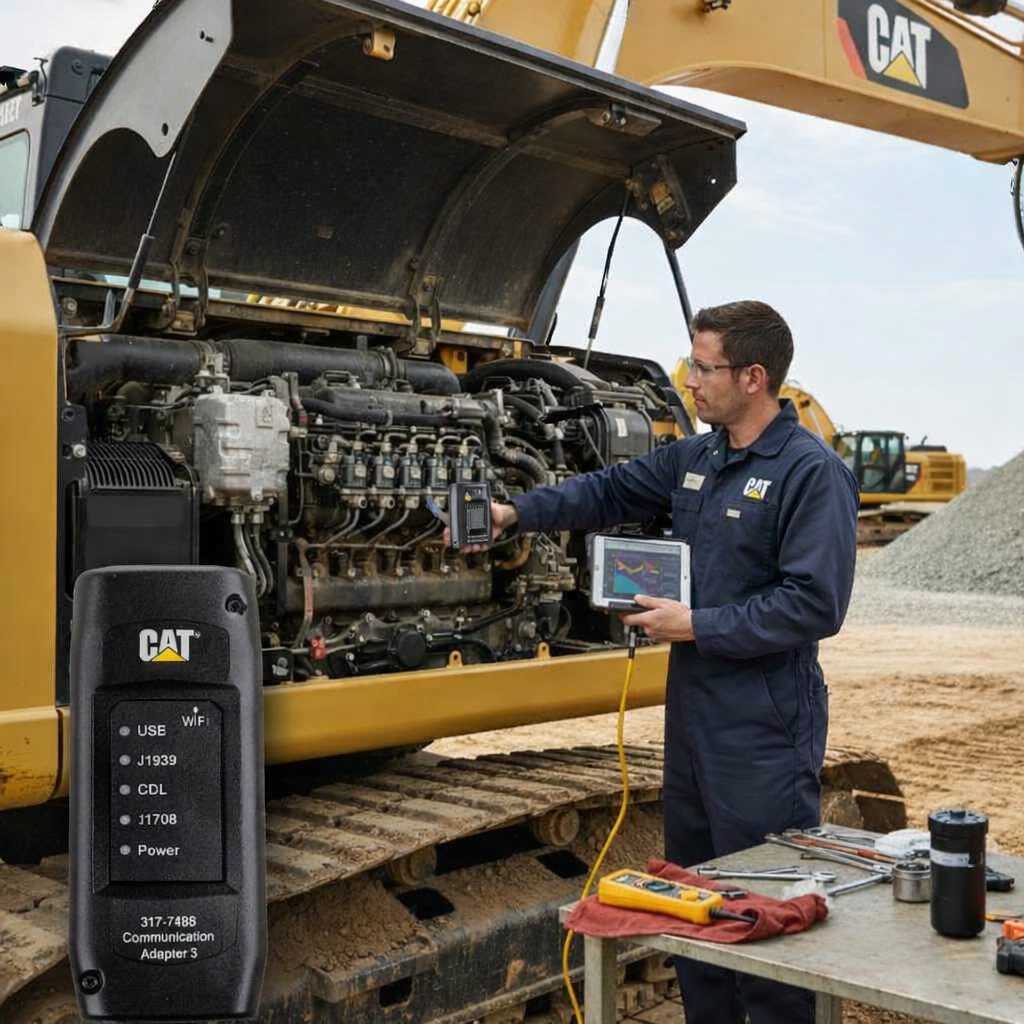
Q: Which diagnostic tool is best for troubleshooting a Cat 320E stalling issue? A: The Caterpillar Electronic Technician (Cat ET) service tool is the primary diagnostic software used to connect to the machine’s ECM to view active codes, perform cylinder cutout tests, and monitor fuel rail pressure.
Q: What specific fuel system components should I check if the engine stalls? A: You should inspect the fuel cap vent for clogs, replace the fuel pre-filter (water separator) and the secondary fuel fine filter, and check the in-line filter located before the Electric Fuel Priming Pump (EFLP).
Q: Can a faulty AC compressor cause the engine to stall at idle? A: Yes. If engine accessories like the AC compressor or alternator have seized bearings or excessive mechanical resistance, they can create a parasitic load that “drags down” the engine, causing it to stall at low RPM.
Q: How do I test if a specific cylinder is causing the stalling? A: Use the Cat ET tool to run an Automated Cylinder Cutout Test. This test disables injectors one by one; if the engine RPM does not drop when a specific cylinder is cut out, it indicates that the injector or cylinder is faulty.